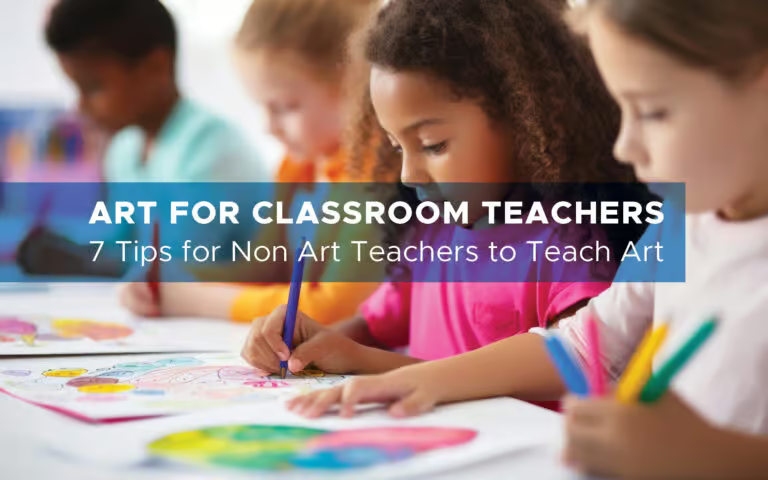
Here are seven tips about teaching art for classroom teachers. You don’t need to be an art specialist to provide meaningful art experiences for your students. By focusing on foundational concepts, creativity, and student engagement, you can help young artists build confidence and develop valuable skills. Here are seven tips to help make art instruction successful in any classroom.
1. Start with the Elements of Art
The elements of art are the building blocks of all artwork and provide a strong foundation for student learning. Introduce students to line, shape, color, value, form, texture, and space through simple activities and discussions. As students create artwork, encourage them to identify and use these elements intentionally. Understanding the elements of art helps students analyze artwork and make thoughtful artistic choices in their own creations. I have created a bundle of elementary art lessons designed with focus of each of Elements of Art. Here is a link to this year long resource.

2. Use the National Core Arts Standards
The National Core Arts Standards provide a framework for quality art instruction and help teachers create meaningful learning experiences. The standards focus on four artistic processes: Creating, Presenting, Responding, and Connecting. Classroom teachers can find out the standards and grade-level expectations through the National Core Arts Standards website. Using these standards helps ensure that art lessons promote creativity, critical thinking, and artistic growth while supporting educational goals.
3. Include Art History and World Cultures
Art offers an excellent opportunity to explore history and cultures from around the world. Introduce students to artists, artistic traditions, and cultural celebrations from different countries and time periods. Learning about artists such as Frida Kahlo, Claude Monet, and current artists like Banksy helps students understand how art reflects diverse experiences and perspectives. Exploring world cultures through art also encourages respect, curiosity, and global awareness. It is so easy to incorporate a loose connection to an artist, genre, or traditional folk art in every art lesson you present to your students.
4. Teach and Reinforce Art Vocabulary
Using art vocabulary helps students communicate their ideas and discuss artwork more effectively. Introduce art categories such as landscape, still life, portrait or realistic, abstract and non-objective art throughout art lessons. Encourage students to use these words when describing their artwork and participating in class discussions. Consistent exposure to art vocabulary strengthens both artistic understanding and language development. I try to include 3-5 guiding vocabulary words for each lesson.
5. Explore a Variety of Art Mediums and Materials
Students benefit from experimenting with many different art materials. Offer opportunities to work with different drawing mediums other than crayons, use paint, collage materials, clay, printmaking supplies, and create mixed media projects. Exploring various mediums allows students to discover their interests and learn how different materials can create unique artistic effects. Variety also keeps engagement high and encourages creative risk-taking.
6. Embrace Creativity and Problem-Solving
Art is a natural platform for developing creative thinking and problem-solving skills. Encourage students to make choices, test ideas, and find solutions when challenges arise during the artistic process. Rather than focusing on creating identical projects, provide students with experiences to express their individual ideas and perspectives. When students learn that there can be multiple solutions to a creative challenge, they build confidence and independence. Providing handouts, visual examples, step-by-step demonstrations, video tutorials, and templates can help students feel successful while still allowing room for personal expression. I have hundreds of free video tutorials on my YouTube channel that preview art techniques and skills quickly, so students try their own approach rather than follow along with the video. Here is the link to my YouTube channel.
7. Remember: Process Over Product
One of the most important principles of art education is valuing the creative process over the final product. Focus on student effort, experimentation, reflection, and growth rather than perfection. Celebrate unique ideas and encourage students to take creative risks. These supports build confidence, reduce frustration, and help students understand artistic techniques while maintaining ownership of their work.
Final Thoughts About Art for Classroom Teachers
Art education provides students with opportunities to create, communicate, explore cultures, and develop critical thinking skills. By teaching foundational concepts, incorporating art history, using rich vocabulary, exploring diverse materials, and emphasizing creativity and process, classroom teachers can create engaging and meaningful art experiences for every student. With thoughtful planning and supportive resources, any classroom can become a place where young artists thrive.
Thanks for Reading, Trista
If you liked this Art for Classroom Teachers post, please subscribe by clicking here.
Check out my How To Page for more posts like this.
Related Post: My First Year Art Teacher Survival Guide also has many tips you may find helpful.